
It Only Takes One-Waiving a Jury in Boston and the Commonwealth
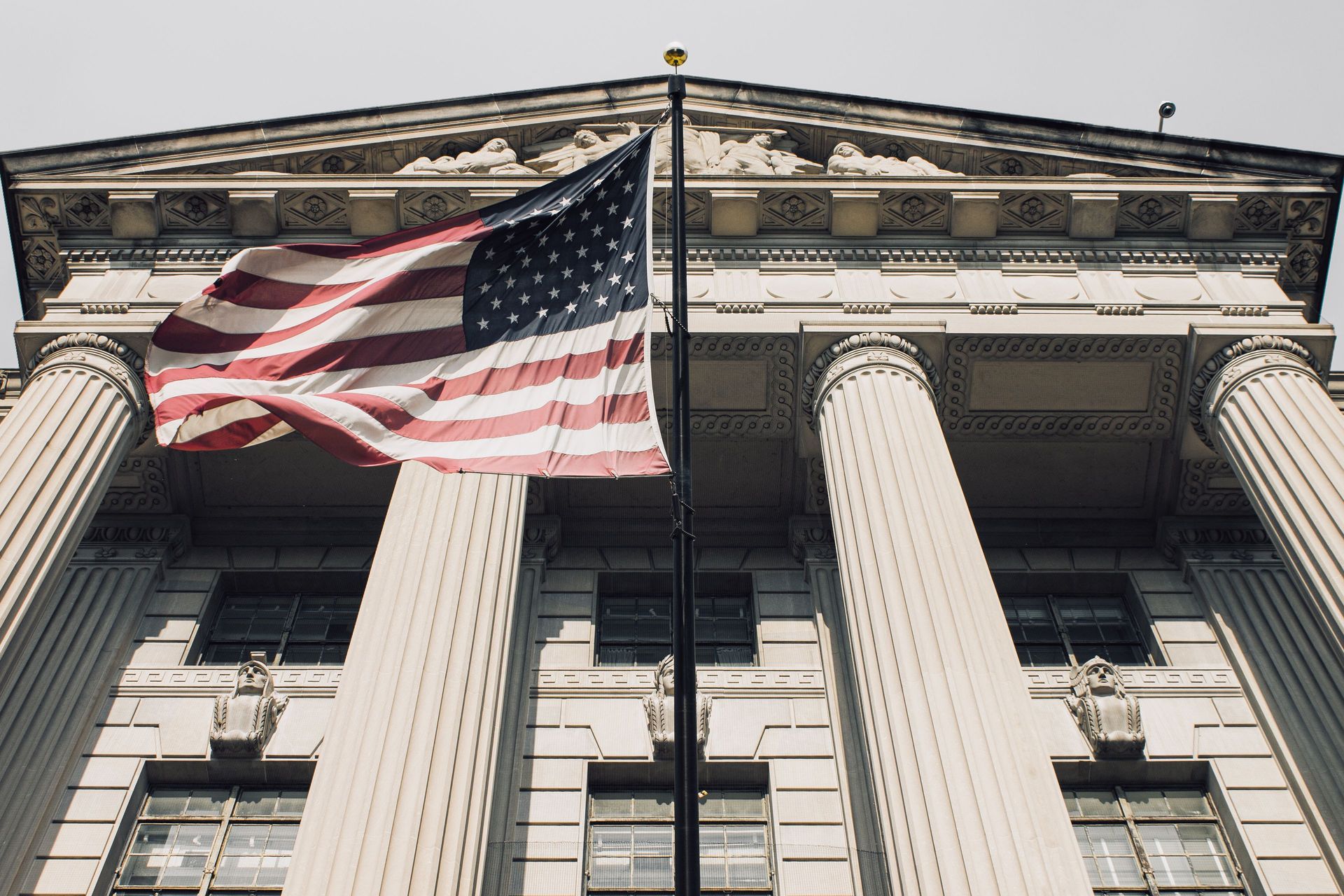
The kid from Dorchester stands in the hallway on the eighth floor at 3 Pemberton Square with a large regular coffee he hasn’t touched. Outside the window, wind blows off Boston Harbor and up through the Government Center walkways.
"Why would I give up the jury?” he says to me. “My uncle says the jury is the only thing that saves you.”
You may hate to admit it, but his uncle, the bartender, is right most of the time. The Sixth Amendment gives you a jury, and all the client hears is his lawyer, standing next to him, talking about a bench trial. That means one judge decides whether the client heads back to Savin Hill tonight or rides in a wagon to Nashua Street or wherever the Department of Correction delivers him.
The jury is usually the better bet. Twelve people come in from Roslindale and Charlestown and Hyde Park and East Boston, and the prosecutor must win over every one of them. One holdout is all it takes. One might be a retired MBTA driver who has watched the cops work the subway platform for thirty years. One could be a nurse from the Brigham who knows a liar, drug-seeker, or abusive patient when she hears one.
But get one “not guilty,” or undecided, and you’ve got a hung jury. After that, the case comes back weaker, pleads down, or disappears.
It only takes one.
So why give it up?
Because sometimes the photographs are bad—the kind that follows a juror home on the Red Line and makes twelve good people want somebody to pay for what they saw, and there’s the kid at the defense table, close enough to pay.
A judge has seen worse evidence before lunch and can still ask whether the evidence proves anything.
Because sometimes social media has already run the mug shot on the front page under a three-word headline, and the babblers on talk radio have been sentencing him all week between sports scores.
You can ask to move the trial to Worcester. Good luck with that motion.
Because sometimes the client is his own worst witness. He has a record, or he smirks, or he looks at the jury like they owe him money. Or he tried to talk his way out of it and hanged himself.
A judge is trained to look past all that. A juror from Quincy must live with what she sees.
And because sometimes you know the judge. Every lawyer who has worked these courthouses knows which judges are fair and which ones are born angry. You don’t hand a kid to one who knows better without listening. But a fair judge can look a lot better than twelve strangers who read the online tabloids over their coffee every morning.
Waiving the jury is no small thing. The defendant must do it knowingly, voluntarily, and intelligently, in writing, and the judge first asks him questions to make sure he understands what he’s giving away. Here in the Commonwealth, it’s the defendant and the judge who decide, and the DA doesn’t get a vote.
Over at the Moakley Federal Courthouse on the waterfront, it works differently, because the U.S. Attorney must agree too.
Back on the eighth floor, the kid finally drinks his coffee. It’s cold, which is how the coffee always ends up in this building. His lawyer tells him there’s no answer that’s right for everybody. There’s only the right answer for this case, this judge, these facts, and this client, and the client is him.
So what to do? Do you call your friends or type ChatGPT?
No, you listen to the experienced real-life lawyer, because he’s worked in those courtrooms longer than the kid has been alive. Then the client decides. It’s his right, and he’s the one who gets to keep it or give it away.